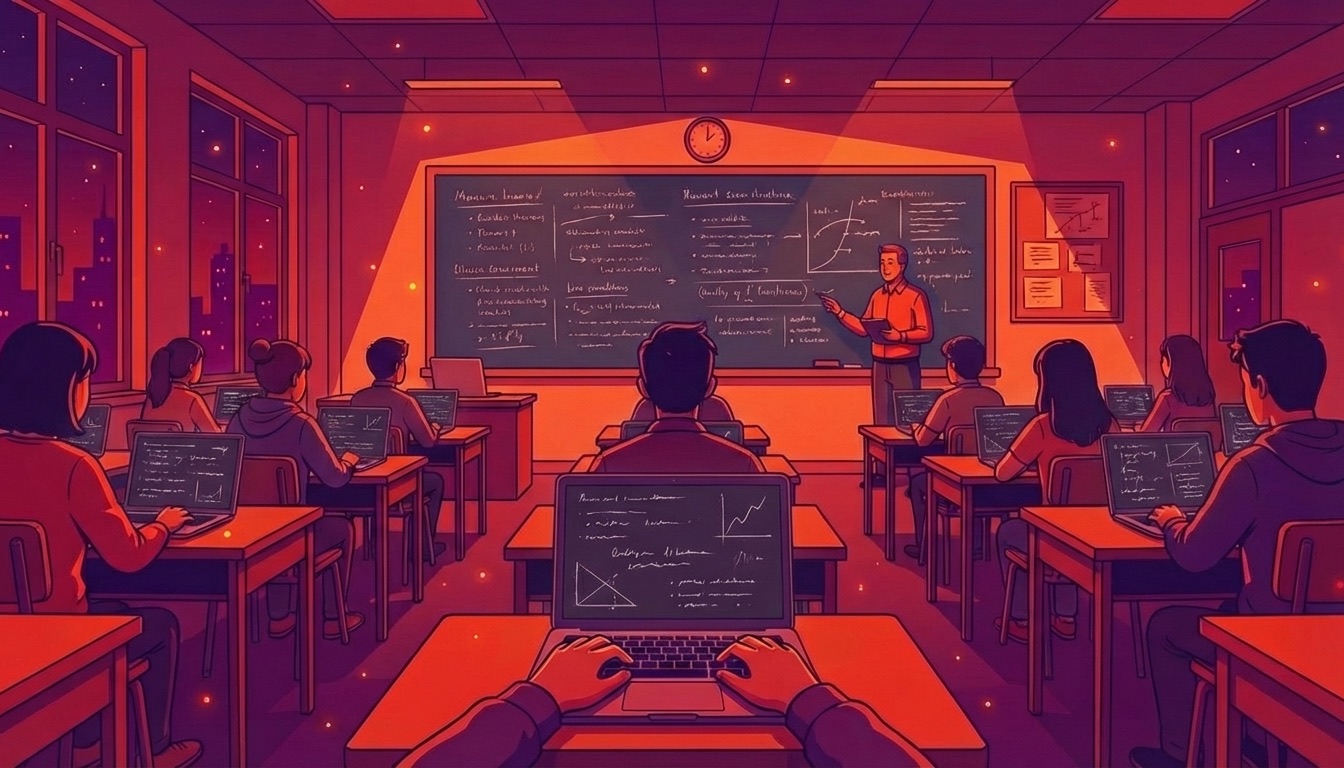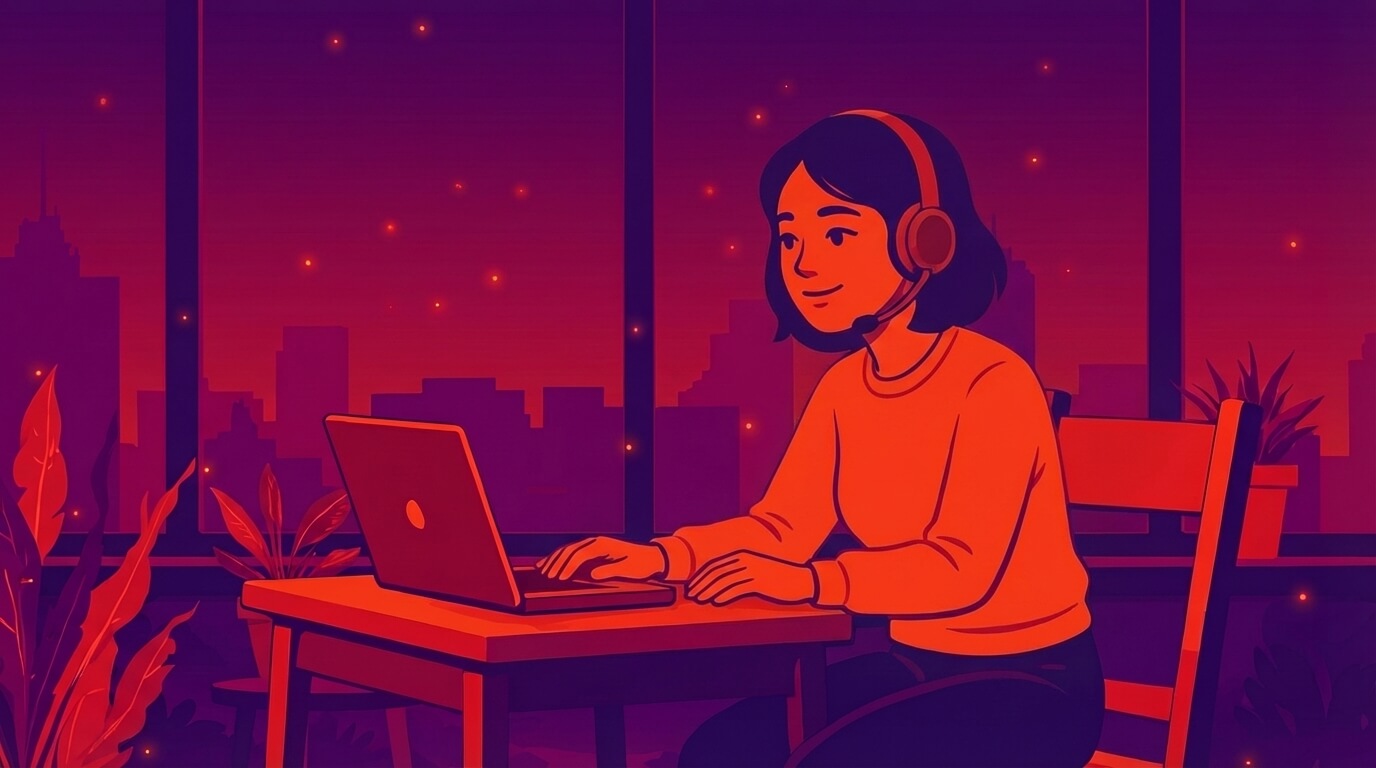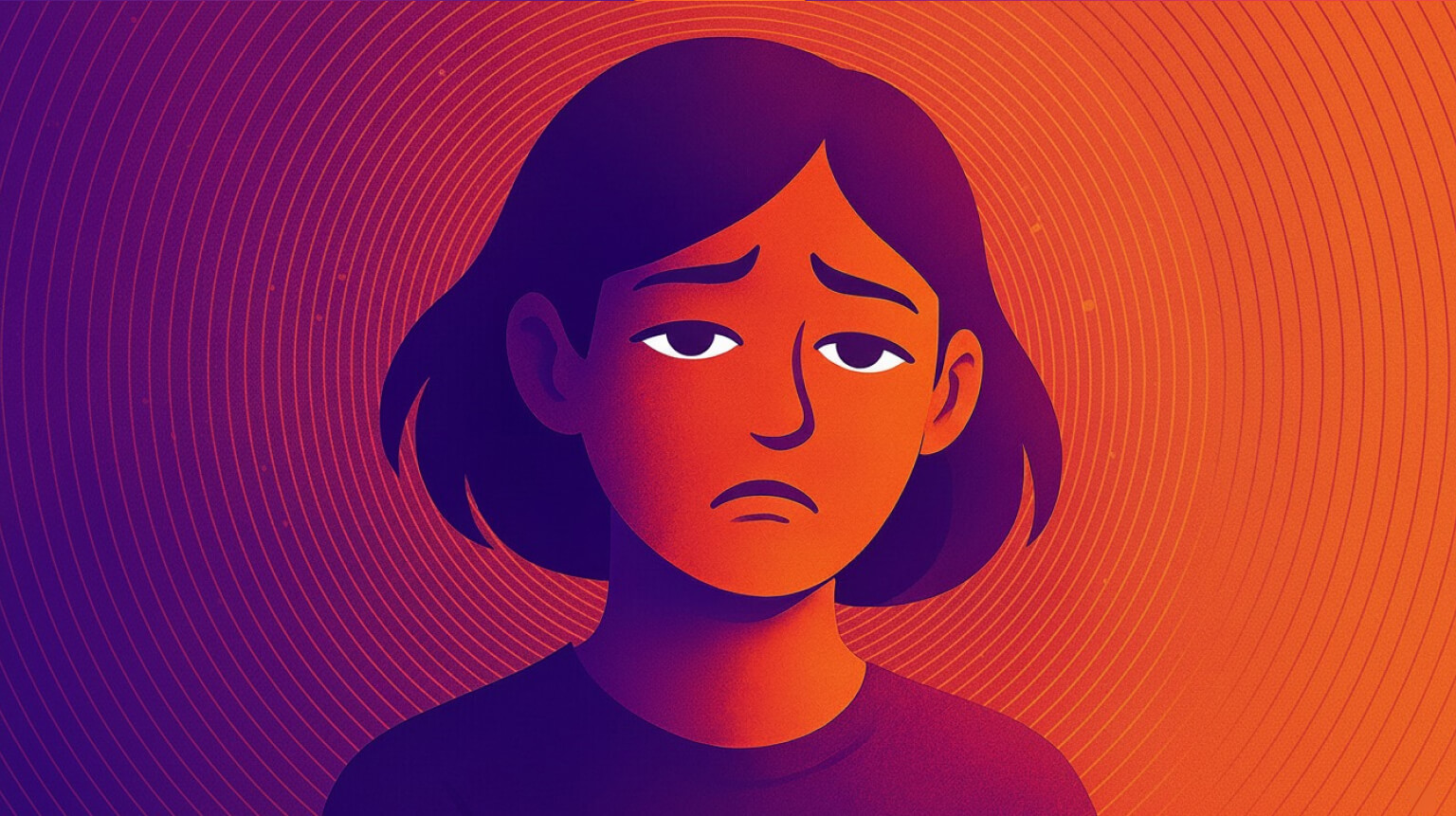
If your eyes feel droopy, heavy, or tired after a few hours at the computer, it’s usually not genuine sleepiness, it’s digital eye strain. Research shows that computer use reduces how often and how completely we blink, which makes tears evaporate faster and leaves the eye surface drier. That dryness, combined with long stretches of close focus, is what makes your eyes feel sluggish and half-closed.
Why screens make eyes feel heavy
Our eyes aren’t built for hours of fixed-distance focus. On a computer, two main things happen. First, blinking slows down dramatically—sometimes by more than half compared to normal—and many of those blinks are incomplete. The tear film that normally keeps eyes smooth and comfortable starts breaking up faster, creating that heavy, scratchy sensation. Second, the eye muscles responsible for focusing get locked into place. Without regular chances to relax, they become tired, which adds to the "sleepy" feeling.
The environment makes this worse. A bright screen in a dark room, or a strong airflow from fans and air conditioners, accelerates evaporation. Even posture matters: looking straight ahead with eyes wide open exposes more of the surface, while a slightly downward gaze reduces strain.
What brings quick relief
The good news is that “sleepy eyes” from screens usually respond quickly to small adjustments. The well-known 20-20-20 rule—every twenty minutes, look at something twenty feet away for twenty seconds—has been shown in controlled trials to ease digital eye strain. This simple pause gives your focusing system a chance to reset and reduces fatigue.
Blinking fully and deliberately also helps. Because screen tasks suppress natural blinking, making a conscious effort to close your eyelids completely a few times each minute can restore comfort. Artificial tears, especially preservative-free drops with hyaluronic acid, can support the tear film and often bring noticeable improvement within a few weeks of regular use.
Equally important is how your workspace is set up. Keeping the monitor about an arm’s length away and slightly below eye level reduces the amount of eye surface exposed. Matching screen brightness to room lighting, and avoiding glare from windows or overhead lamps, goes a long way in preventing the discomfort from building up.
Building better habits
For longer-term improvement, consistency matters more than any single fix. Warm compresses applied to the eyelids for 5–10 minutes a day improve the flow of oils from the meibomian glands, which stabilize the tear film. Several studies suggest this daily practice reduces dryness and fatigue over time. Creating a more eye-friendly environment also helps—humidifiers in dry rooms, or simply avoiding direct air blowing on your face, can keep the tear film stable for longer.
Taking frequent, short breaks is another proven habit. Micro-breaks as short as 30–60 seconds scattered throughout the day are enough to reduce discomfort without hurting productivity. Contrary to popular belief, blue-light filtering glasses don’t add much here. A 2023 Cochrane Review found little evidence they reduce eye strain or improve comfort compared to clear lenses. They can still be useful if you like the warmer tone at night, but they aren’t a cure.
When to get checked
Most cases of sleepy eyes improve with these simple strategies. But if your symptoms don’t settle, or if you notice constant redness, watering, sensitivity to light, or vision changes, it’s worth seeing an eye care professional. Sometimes persistent symptoms point to underlying dry eye disease, uncorrected refractive error, or other issues that need tailored treatment.
References
- Harvard Health Publishing. Effective tips for reducing eye strain.
- Portello JK, et al. Blink rate, incomplete blinks and computer vision syndrome. Optometry and Vision Science, 2013.
- Talens-Estarelles C, et al. The effects of breaks on digital eye strain... J Optom, 2022.
- Wolkoff P, et al. “Healthy” eye in office-like environments. Indoor Air, 2005.
- Sheppard AL, Wolffsohn JS. Digital eye strain: prevalence, measurement and amelioration. BMJ Open Ophthalmology, 2018.
- Ang BCH, et al. Hyaluronic acid eye drops meta-analysis. Contact Lens & Anterior Eye, 2021.
- Geerling G, et al. Meibomian gland dysfunction: the role of warming and massage. Curr Opin Ophthalmol, 2017.
- Cochrane Review 2023. Blue-light filtering spectacle lenses for visual performance and sleep.

Try LookAway
LookAway is a smart break reminder that helps reduce eye strain, digital fatigue, and maintain better posture - so you can end your day feeling fresh.
Learn more